ABS Injection Molding for Consumer Electronics in Ohio
CustomPartNet
·
June 30, 2026
·
Updated July 6, 2026
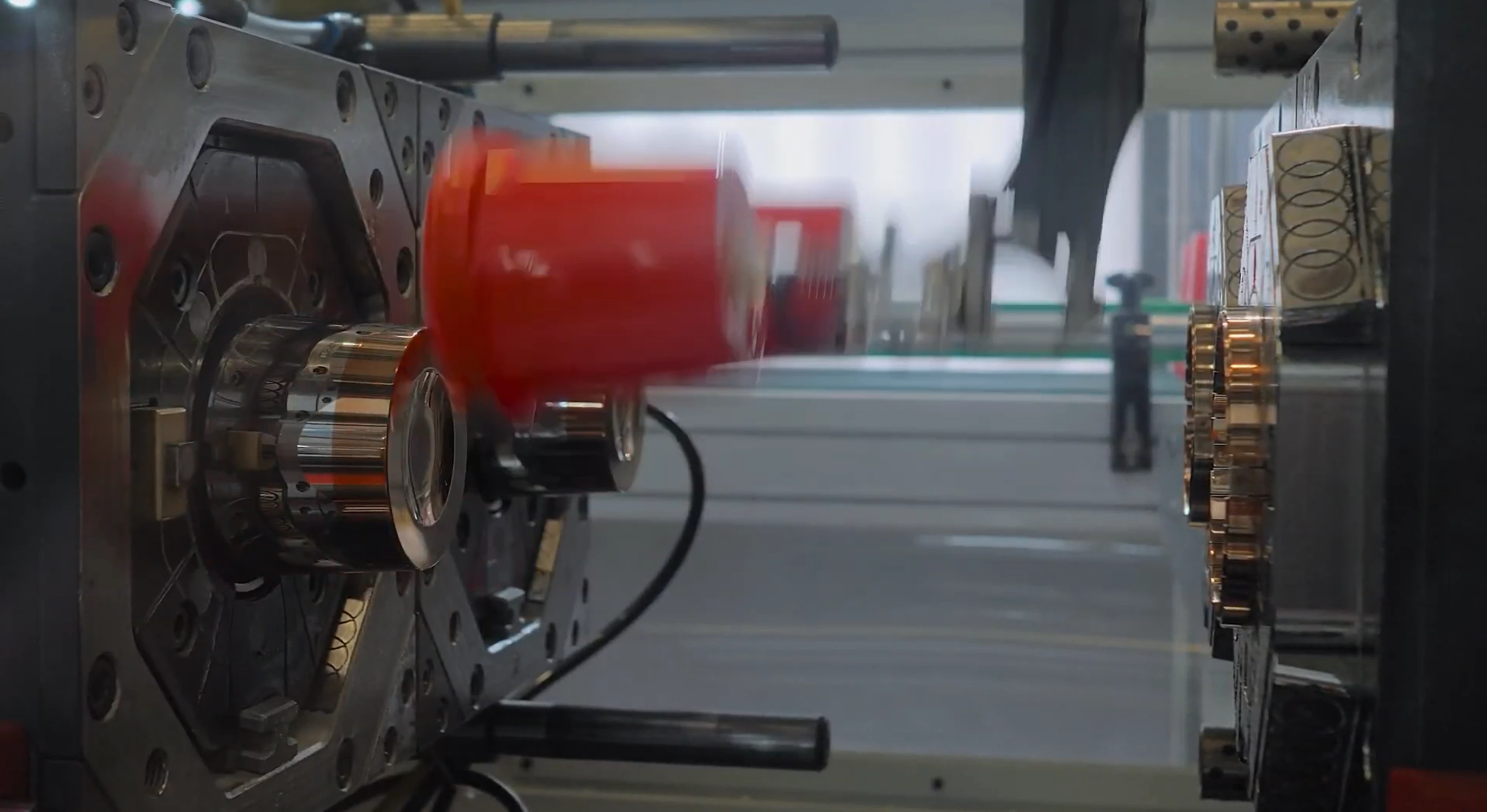
Learn how the injection molding process works, why ABS is commonly specified for electronics, and what to consider in tooling, finishes, tolerances, and production volume before you reach out for quotes.
Looking for suppliers to manufacture your part?
Start by narrowing your supplier list to those that match your specific requirements, such as material capability or required certifications. Factors like location can also have an impact on your shipping fee and lead time. Selecting the right supplier can be as important as the design of the part itself, especially for larger volumes or long-term collaborations. It can also be helpful to compare sample parts with your project to determine if the supplier is the right fit. Not only are they physical proof of the supplier's capabilities, they are also a great visual indicator of what to expect, which can often be more helpful than numbers. Browse our supplier network on the right to compare qualified suppliers, examine sample parts, and request quotes.
Injection Molding Process Overview
Injection molding is one of the most commonly used manufacturing processes for producing plastic parts. It is particularly suitable for high-volume production because the process can manufacture large quantities of identical parts with excellent repeatability.
Basic Process Steps
The raw material for injection molding consists of small thermoplastic pellets, which are fed from a hopper into a heated barrel. A reciprocating screw advances the material through the barrel, where it is melted and mixed.
Once sufficient molten plastic has accumulated at the front of the barrel, the screw acts as a ram and injects the material through a nozzle into the mold cavity. The pressure is maintained until the cavity is completely filled and the material begins to cool.
After cooling and solidification, the mold opens and the part is ejected. The mold then closes and the cycle repeats.
Injection molding is capable of producing parts with excellent dimensional consistency, complex geometry, and a high-quality surface finish.
Why ABS is Used for Consumer Electronics
ABS (Acrylonitrile Butadiene Styrene) is one of the most commonly specified materials for consumer electronics because it offers:
Excellent impact resistance
Good dimensional stability
Attractive molded surface finish
Ease of coloring and texturing
Cost-effective production
Good electrical insulation properties
Compatibility with painting, printing, and secondary finishing
Tooling for ABS Injection Molding
The mold used in injection molding is a precision-machined tool that forms the shape of the final part.
Tooling costs vary depending on:
Part size
Part complexity
Number of cavities
Surface finish requirements
Expected production volume
Consumer electronics components often require:
Fine cosmetic surfaces
Textured finishes
Tight tolerances
Snap-fit features
Thin-wall molding
Multi-cavity production tooling
Applications
ABS injection molding is widely used throughout the consumer electronics industry to manufacture:
Device housings
Battery covers
Charging docks
Speaker enclosures
Router and modem housings
Smart home products
Handheld electronics
Gaming accessories
Appliance control panels
Wearable technology components
Ohio suppliers support both prototype and production programs for OEMs, startups, and contract electronics manufacturers throughout North America.
Find Injection Molding Suppliers by Material
Interested in another material? Find suppliers that can work with your desired material:
[ABS Injection Molding →]
[PC/ABS Injection Molding →]
[Polycarbonate Injection Molding →]
[Nylon Injection Molding →]
[Polypropylene Injection Molding →]
[PBT Injection Molding →]
[Flame-Retardant Polymer Injection Molding →]
[ESD-Safe Plastic Injection Molding →]
Common Questions About ABS Injection Molding for Consumer Electronics
Why is ABS commonly used for consumer electronics?
ABS provides an excellent balance of impact resistance, appearance, dimensional stability, and cost. It also accepts textures, paint, printing, and secondary finishing processes commonly used on electronic products.
How much does ABS injection molding cost?
Tooling costs typically range from $5,000 to $100,000+ depending on part complexity and production volume. Per-part costs vary based on size, material consumption, cycle time, and annual volume.
What surface finishes are available for ABS molded parts?
ABS can be molded with smooth, matte, textured, leather-grain, or high-gloss finishes. Many consumer electronics products use molded textures to improve appearance and hide scratches.
What tolerances can be achieved with ABS injection molding?
Typical tolerances range from ±0.005" to ±0.020" depending on various factors, including geometry, material grade, and tooling quality. Critical dimensions may require tighter process controls. Always verify achievable tolerances with your supplier ahead of time.
Is flame-retardant ABS available?
Yes. Many consumer electronics products use UL-rated flame-retardant ABS grades to meet electrical safety requirements.
Can Ohio injection molders support product launches?
Yes. Many Ohio suppliers offer design-for-manufacturing support, prototyping, tooling, pilot production, full-scale manufacturing, assembly, and packaging services.
What production volumes are best suited for injection molding?
Injection molding is most economical for medium-to-high production volumes because tooling costs are amortized over larger quantities. Production runs commonly range from thousands to millions of parts.
Ready to Source ABS Injection Molded Consumer Electronics Components?
Get competitive quotes from Ohio injection molding suppliers experienced with ABS consumer electronics components. Upload a CAD file, drawing, or product concept and receive quotes from qualified suppliers matched to your project requirements.
[Get Quotes Now →]
Or [Register for a Free Account →] to discover new suppliers, create shortlists, and manage RFQs.
Related Manufacturing Processes
[PC/ABS Injection Molding →]
[Insert Molding →]
[Overmolding →]
[Reaction Injection Molding →]
[Thermoforming →]
[Blow Molding →]
[Plastic Extrusion →]
[Browse All Plastic Manufacturing Processes →]